How to Build a Portfolio Website (and Why Now Is the Perfect Time)
For so long, portfolios in architecture and design lived in a single place: a PDF. Carefully formatted, endlessly revised, and emailed out only when someone asked.
But the industry has changed, and the way we present ourselves needs to change with it.
A portfolio website is no longer “extra.” It’s not just for freelancers or people actively job-hunting. It’s a living, evolving representation of who you are, how you think, and what you’re building toward.
And right now, at the edge of a new year, new opportunities, and new conversations about career paths, it’s the perfect time to create one.

Why a Portfolio Website Matters More Than Ever
Your portfolio website does something a PDF never fully can, which works for you even when you’re not in the room.
Whether you’re a student, early-career designer, or licensed professional, a website:
Creates a central home for your work
Shows growth over time (not just a frozen moment)
Allows people to understand your thinking, not just your visuals
Makes it easy for recruiters, collaborators, and mentors to find you
Positions you as intentional about your career
In an industry where competition is real and visibility matters, a portfolio website quietly sets you apart and begins to build a brand for yourself.
Not because it’s flashy, but because it’s thoughtful, intentional, and authentic to you.
Why Now Is the Right Time
There’s something powerful about building when things feel transitional.
Maybe you’re wrapping up a semester, studying for exams, feeling restless or stuck. Or maybe you’re re-assessing what you want next year to look like and realizing you’ve outgrown the way you’ve been presenting yourself.
A portfolio website doesn’t require you to have everything figured out, you just need to start.
Right now, you have projects you’ve already done, lessons you’ve already learned, and a perspective that didn’t exist a year ago
That’s enough to get you started.
Step 1: Get Clear on the Purpose (Before the Platform)
Before choosing a website builder or buying a domain, ask yourself one question:
“What do I want this site to communicate about me?”
Not:
“What do other portfolios look like?”
“What’s trending right now?”
But:
What kind of designer do I want to be known as?
What types of projects energize me?
What do I want someone to feel after seeing my work and visiting my site?
Your portfolio isn’t just a collection of projects, it’s your personal design narrative.
Step 2: Choose a Simple Platform (Keep It Accessible)
You do not need a custom-coded website to start. Some of my favorite great beginner-friendly options are Squarespace, Wix, and Adobe Portfolio. The best platform is the one you’ll actually finish.
Focus on clean layouts, easy navigation, strong image presentation, and minimal distractions.
Step 3: Curate, Don’t Dump
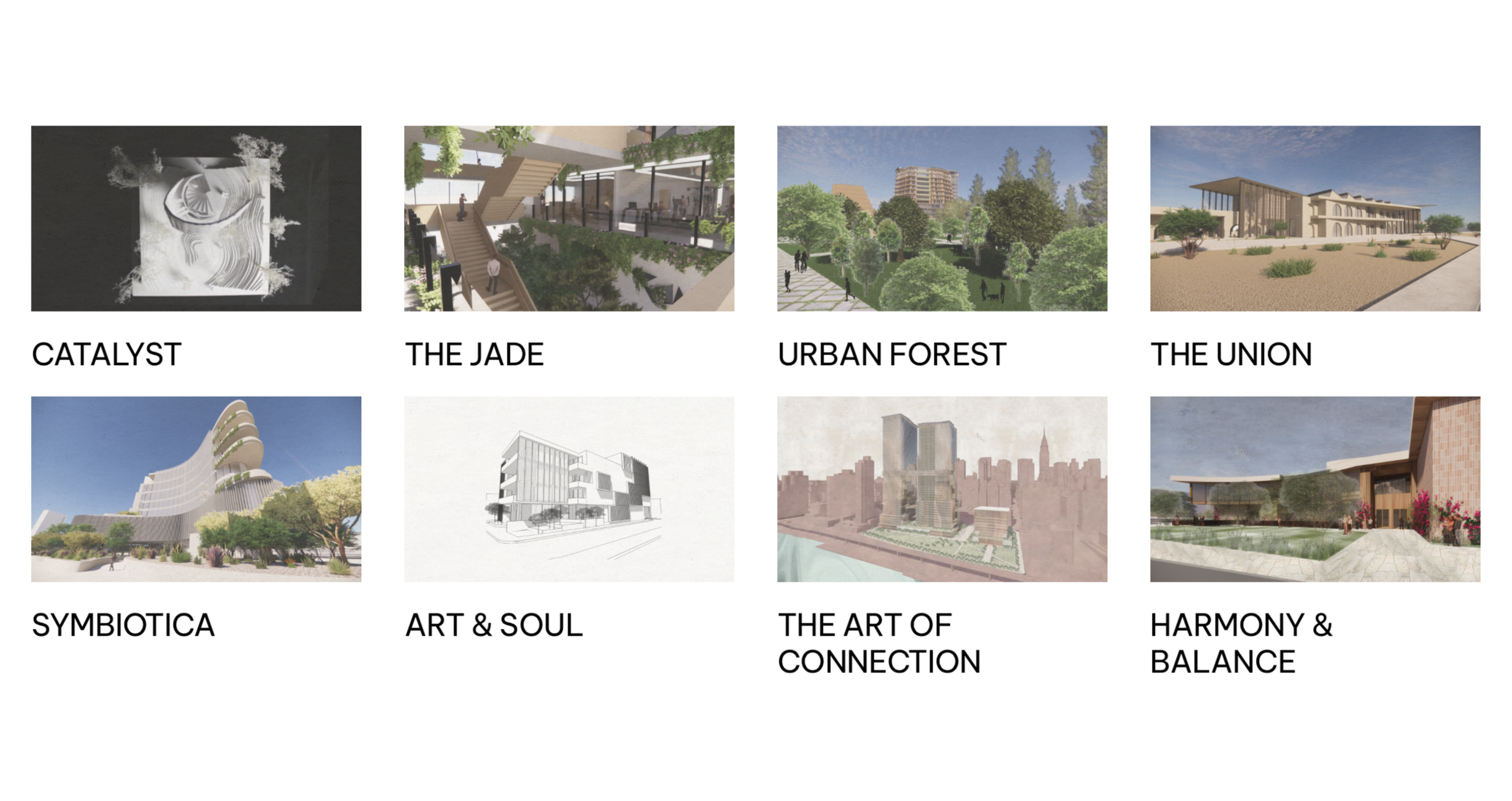
One of the biggest portfolio mistakes is showing everything. Instead select 4–6 strong projects that show your range, but maintain cohesion. Lead with your best work and sprinkle in other projects that highlight your different strengths. For example, you don’t want every project layout to look the same because you want to exhibit growth, strength in multiple areas, and your eye for presentation design. Your portfolio should guide the viewer, not overwhelm them.
Remember quality beats quantity every time.
Step 4: Tell the Story Behind the Work
Images matter but context is what makes work memorable. For each project, you want to include a brief project overview, your role and responsibilities, the tools you used, the design problem, and what you learned.
I always say to think of the 3 W’s when putting together a project narrative:
What was the design problem and how did you solve it?
Why is it important to you?
Where is it located & what’s it’s importance to the context?
This is where your thinking shines.
Firms aren’t just hiring talent, they’re hiring for judgment, new ideas, curiosity, and communication.
Step 5: Add a Thoughtful About Page
Your “About” page is often the most-visited section and the most underutilized. Don’t think of it as your resume in paragraph form. Instead, share your path, acknowledge where you’re going, let your personality come through, and keep it honest and grounded
You don’t need a perfect story, just a real and authentic one.
Step 6: Make It Easy to Contact You
This sounds obvious, but it’s often missed. Make sure to include a contact page or footer, your LinkedIn link, email address, or an optional resume download. If someone wants to reach you, don’t make them search.
Step 7: Let It Evolve With You
My website looks nothing like how it did when it first started years ago. Your portfolio should evolve with you. It will change as you grow, improve as your confidence builds, and reflect new interests and goals
That’s the point. Think of it as a place to return to and refine as your career unfolds.
The Bigger Picture
Building a portfolio website is about more than visibility. It’s about taking ownership of your narrative, being intentional about how you show up, creating something that reflects your growth, and most importantly believing your work deserves a platform
You don’t need permission to build it and you don’t need everything figured out. You just need to start.
The future of your career isn’t built all at once but one intentional decision at a time.
And this is a powerful one.