How to Build an Architecture Portfolio That Actually Gets Interviews
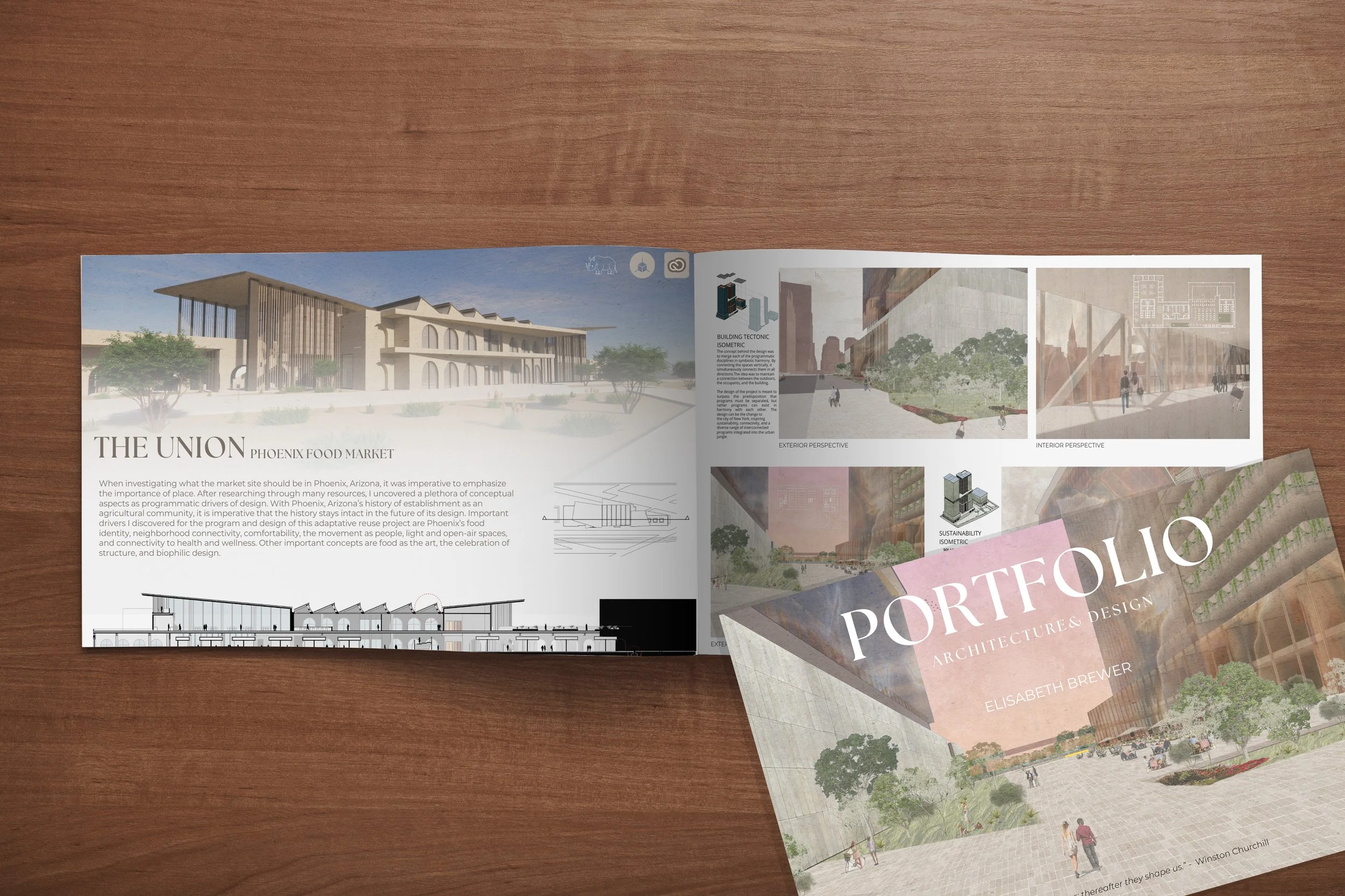
If you’re an architecture student or emerging professional, there’s a good chance you’ve thought this at least once, “My portfolio should be better than this.” Not because your work is bad, but because it doesn’t seem to be working.
You’ve revised layouts late at night, polished renderings until they barely feel like yours anymore, added projects, removed projects, re-added them again, and still, the silence after applications makes you wonder if you’re missing something fundamental.
Here’s the truth most people won’t tell you: most architecture portfolios don’t fail because the work is weak, they fail because the story is unclear. Firms aren’t looking for the most polished student or the most technically perfect drawings. They’re looking for someone they can understand quickly, trust on a team, and grow with over time.
This guide is not about making your portfolio more impressive. It’s about making it more intentional, building a portfolio that communicates how you think, how you make decisions, and how you would show up in practice without overworking it, over-designing it, or overthinking it.
The Biggest Myth About Architecture Portfolios
There is a myth about portfolios that your portfolio needs to show everything you can do. The reality is that your portfolio needs to show how you think.
Architecture school often rewards volume with more drawings, more renderings, more projects, more everything. You’re conditioned to believe that more output equals stronger work, but hiring is not a final review. In practice, portfolios are scanned quickly, often between meetings, deadlines, and real project work.
When a hiring manager opens your portfolio, they are asking a very different set of questions than a professor would:
Can I understand this person in 30 seconds?
Do they think logically and clearly?
Can they explain a design decision without hiding behind jargon?
Would I trust them to contribute meaningfully on a real project?
Do they feel like someone who would fit our studio culture?
A portfolio that tries to show everything usually ends up showing nothing clearly.
What Firms Actually Look For (But Rarely Say Out Loud)
When firms review portfolios, they are not reading them cover to cover. They are scanning them quickly looking for something specific. They’re not asking whether you’re finished learning. They’re searching to see if you’re teachable, thoughtful, and intentional. Here’s what they’re quietly evaluating:
Clarity: Is the work easy to follow without verbal explanation?
Decision-making: Can I see why choices were made, not just the final result?
Process: Do you show how ideas evolve from concept to resolution?
Judgment: Do you know what to include, and what to leave out?
Potential: Can I imagine this person growing here over the next few years?
Your portfolio is not being judged in a vacuum. It’s being judged relative to limited time, limited attention, and whether your work feels aligned with the firm reviewing it.
How Many Projects Should You Include?
More is not better. For most students and early-career designers, restraint is far more compelling than volume. Three to five strong projects is the sweet spot. One excellent studio project is more valuable than three average ones. If every project feels equal, that’s a sign you haven’t edited enough. Strong portfolios guide the reader and don’t ask them to sort things out on their own.
What to Include in Each Project
Each project should tell a clear, self-contained story and not overwhelm the reader with everything you produced. Think of each project as a conversation starter, not a comprehensive archive.
1. A Clear Concept
One or two sentences. That’s it. If your concept needs a paragraph to explain, it’s probably not clear enough yet. Strong concepts are specific, grounded, and easy to articulate.
2. Process Over Polish
Firms want to see how you think, not just what you can render. Your process can include diagrams, iterations, studies, and early massing or spatial exploration. Perfect final renderings without context don’t say much about your design ability. Clear process shows problem-solving, curiosity, and growth.
3. Selective Drawings
Include drawings that explain the project, not every drawing you produced. Effort does not equal relevance. Clarity always wins. Before adding anything, ask yourself:
Does this add understanding?
Or am I including it because I worked hard on it?
Focus on Claity
A clean, restrained layout will almost always outperform an overdesigned one. Good portfolio design is quiet and supports the work without competing with it.
What works:
Simple, consistent grids
Clear type hierarchy
Plenty of white space
Short, readable captions
What works against you:
Complicated graphics
Too many fonts or styles
Text-heavy pages
Trying to “stand out” at the expense of readability
Confidence in design often shows up as restraint. Let the work breathe.
The Portfolio Is Not the Job
This matters more than most students realize. Your portfolio will get you the interview. It does not prove your worth, define your potential, or predict your success. What gets you hired is how you communicate, how you listen, how you think, and how you show curiosity. The portfolio simply opens the door.
Common Mistakes That Cost Interviews
Including too many projects
Explaining instead of showing
Overpolishing final images
Hiding your role in team projects
Designing for professors instead of firms
Build an Architecture Portfolio That Actually Gets you Interviews
Your portfolio doesn’t need to be perfect. It needs to be clear, honest, and intentional. The goal isn’t to impress everyone, but to connect with the right firm. Your portfolio starts a conversation. And that conversation is where careers actually begin.
The Future of Architecture is You.
Looking for more advice on thriving in architecture school without losing yourself in the process? Explore Embarc for real talk, resources, and guidance built for the next generation of architects and designers.